
Alright team, let’s talk shop. We spend our days building and breaking things (in a controlled manner, of course!), and managing the breaking part – a.k.a. testing – is critical. Test Management Tools (TMTs) are our trusty sidekicks in this adventure, but let’s be honest, sometimes they feel more like rusty spanners than laser-guided quality detectors.
Good news! Change is brewing faster than a Nagano onsen heats up. Based on current trajectories (as of this fine spring evening, April 4th, 2025), here’s what the future of TMTs looks like:
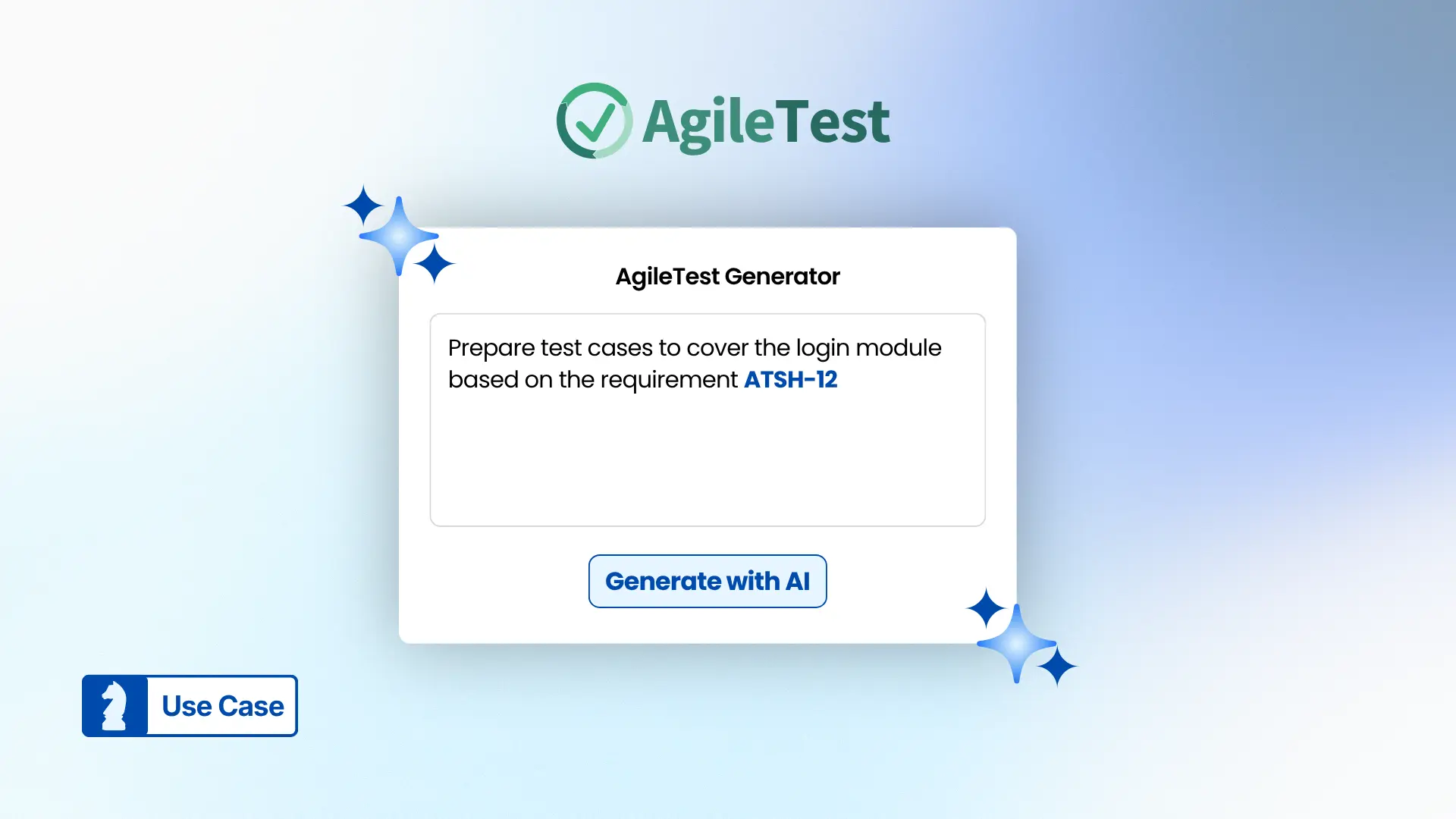
1. Rise of the Machines? Nah, More Like Rise of the Super-Helpful AI Co-Pilots
This is the big one, folks. Artificial Intelligence and Machine Learning are crashing the testing party, and they are bringing snacks.

Forget sentient AI taking over test strategy (for now). Think AI augmentation:
- Smarter Test Case Generation: AI will increasingly analyze requirements (user stories, specs), application changes (code commits, UI changes), and even production data to suggest relevant test cases or variations you might have missed. Imagine your TMT saying, “Hey, you changed this API endpoint; based on historical data, you should probably add these 3 negative test cases.”
- Predictive Risk Analysis: AI will crunch data (code churn, complexity metrics, historical defect density, production incidents) to pinpoint high-risk areas before you even start testing. Your TMT dashboard might feature a dynamic “risk heatmap” guiding your focus.
- Flaky Test Detection & Diagnosis: Tired of tests failing randomly? AI will get much better at identifying flaky tests across runs, analyzing patterns (timing issues, environment dependencies, test data conflicts), and even suggesting potential root causes or fixes for the underlying test code.
- Optimized Test Execution: Why run the entire regression suite every time? AI will help select the optimal subset of tests based on code changes (Test Impact Analysis on steroids) and risk assessment, drastically speeding up feedback loops in CI/CD.
- Log & Result Analysis: Instead of manually sifting through gigabytes of logs from failed automated tests, AI assistants integrated into your TMT will help summarize failures, identify key error messages, and potentially link failures to known issues or recent commits.
How it affects you: Less grunt work designing redundant tests, faster debugging of automated test failures, more confidence in focusing efforts where they matter most. Your TMT – like AgileTest – becomes less of a static repository and more of an active, intelligent partner.
2. Testing: It’s Not Just a Phase, Mom! (Shift Left, Right, and Everywhere)
The idea of testing being a distinct phase after development is thankfully fading. Quality is a team sport, played throughout the entire SDLC. TMTs must reflect this:
- “Shift Left” Integration: Expect tighter integration earlier in the cycle. TMT plugins directly within IDEs (like VS Code, IntelliJ) allow developers to easily link unit/integration tests to requirements or test cases, view coverage gaps, and even get early feedback as they code. BDD workflows will become smoother, with TMTs acting as the central hub for feature files and their associated test statuses.
- “Shift Right” Integration: TMTs will increasingly ingest data from production monitoring and observability platforms (like Datadog, Dynatrace, Splunk). Imagine correlating a failed test run in staging with real-time performance anomalies or error spikes seen in production for related features. This creates a powerful feedback loop for more realistic testing.
- Unified Quality View: The goal is a “single pane of glass.” Your TMT dashboard won’t just show test execution status; it will integrate quality signals from across the lifecycle – static code analysis results, security scan vulnerabilities, automation results, manual test status, and production health metrics related to the features under test.
How it affects you: Better collaboration between dev and test, less “throwing code over the wall,” and a more holistic understanding of quality beyond just pre-release testing. Your TMT becomes the central quality intelligence hub.
3. CI/CD Pipelines and TMTs: BFFs Forever?
DevOps isn’t new, but the synergy between CI/CD pipelines and TMTs will deepen significantly.
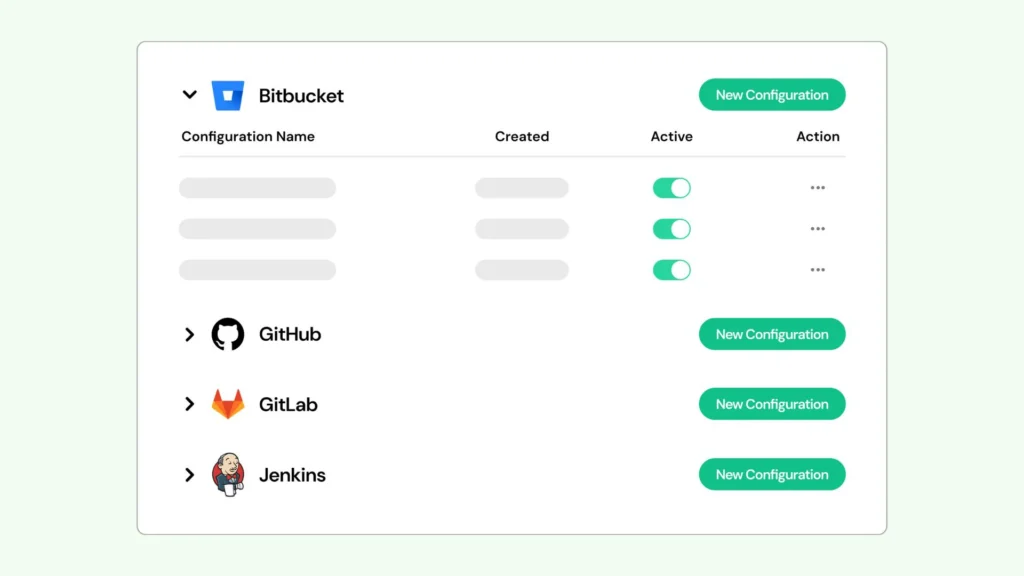
- Seamless Pipeline Integration: Beyond just reporting results via API, expect more sophisticated interactions. Pipelines automatically create relevant test runs in the TMT based on build triggers, TMTs providing quality gate decisions back to the pipeline (go/no-go based on complex criteria, not just pass/fail), and detailed execution logs linked directly within the TMT interface.
- Test Environment Awareness: TMTs will become more aware of the dynamic test environments provisioned and torn down by CI/CD. Think tracking which tests ran against which ephemeral environment configuration, linking environment provisioning logs, and potentially even triggering environment setups for specific test runs.
- Tests-as-Code Management: As more teams manage test automation scripts in Git, TMTs will offer better ways to link test cases within the tool to the corresponding test code files/functions in the repository, providing direct navigation and better traceability between the test definition and its implementation.
How it affects you: Faster, more reliable feedback from your pipelines. Easier debugging when pipeline tests fail. A clearer connection between your test plans in the TMT and the automated tests executing in the pipeline.
→ AgileTest supports integrating CI/CD pipelines into your test management workflow in Jira
4. Beyond Pass/Fail: Your TMT Gets a PhD in Data Science
Simple pass/fail counts are table stakes. The future is about deriving deep, actionable insights from all the quality-related data.
- Advanced Quality Metrics: Move beyond defect density. Expect TMTs to calculate and visualize metrics like Mean Time To Detect (MTTD) / Mean Time To Resolve (MTTR) for defects, defect escape rate trends, requirements coverage stability, automation reliability scores, and correlation between test results and business KPIs (if integrated).
- Sophisticated Visualization: Forget basic pie charts. Think interactive dashboards allowing you to drill down from high-level quality trends to specific requirements, test cases, failing pipeline jobs, and associated defects, all visually correlated.
- Predictive Analytics: Leveraging historical data, TMTs might start predicting release readiness with more confidence, estimating the likelihood of undiscovered critical defects, or forecasting potential delays based on current testing velocity and defect trends.
How it affects you: Data-driven decision-making becomes easier. You can spot systemic issues faster, understand the true impact of defects, and communicate quality status to stakeholders with much greater clarity and confidence.
5. Finally, Tools We Actually Like Using? (Enhanced UX & Collaboration)
Let’s face it, some TMT interfaces feel like they were designed in the dark ages. Vendors are getting the message.
- Intuitive & Integrated Workflows: Less context switching! Smoother navigation between requirements, test cases, execution details, defects (in integrated trackers like Jira), and pipeline results.
- Better Collaboration Features: Enhanced real-time commenting, notifications, and co-editing features within the TMT, making it easier for distributed teams to work together on test design and execution.
- Personalization & Customization: Dashboards and views you can tailor to your specific role (developer vs. tester vs. manager) and project needs.
- Potential for Natural Language Interaction: Maybe asking your TMT, “Show me all failed high-priority tests for the login module in the last sprint” will actually work reliably? (Okay, maybe this is year 4-5 territory!).
How it affects you: Less friction in your daily workflow, reduced frustration, and more time spent on actual testing and analysis rather than fighting the tool.
Don’t Worry, They Still Need Your Brain!
With all this talk of AI and automation, does it mean we’re out of a job? Absolutely not! These advancements are about augmenting human intelligence, not replacing it.
Critical thinking, exploratory testing, designing effective test strategies, understanding context, asking “what if?”, and collaborating creatively are skills that remain uniquely human and arguably become more valuable as tools handle the repetitive tasks.
Wrapping Up
The next five years will see Test Management Tools transform from relatively passive record-keepers into intelligent, integrated quality hubs. Expect more AI-driven insights, seamless integration across the SDLC, deeper analytics, and hopefully, a much more pleasant user experience. It’s an exciting time to be involved in software quality! Now, back to that code (or test case)… the future won’t build itself!